
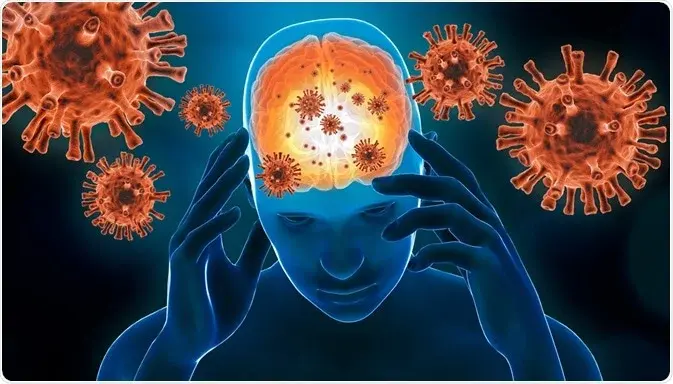
Brain Infections: What Are the Hidden Dangers Lurking Within?
Our brain is the control center of our body and is a complex and sensitive organ. It regulates everything we do, from breathing and walking to thinking and feeling. However, the brain is not unbeatable. It can be susceptible to various infections that can have destructive conditions if not treated properly. In this blog, we will explore the hidden dangers of brain infections and why consulting the best neurologist in Thane is important for diagnosis and brain infection treatment in thane.


Understanding Brain Infections
Brain infections, also known as central nervous system (CNS) infections, can be caused by bacteria, viruses, fungi, or parasites. These infections can cause conditions such as meningitis, encephalitis, brain abscesses, and other neurological complications. Common Types of Brain Infections- Meningitis
- Encephalitis
Symptoms of Brain Infection
Brain infections can present a range of symptoms, which can sometimes be mistaken for less serious illnesses. It’s important to recognize the warning signs and seek medical attention immediately. Common symptoms include: – Severe headache – High fever – Neck stiffness – Nausea and vomiting – Sensitivity to light – Confusion or altered mental status – Seizures – Weakness or numbness in parts of the body If you or a loved one experiences these symptoms, it’s important to consult a neurologist immediately.
Importance of Early Diagnosis and Treatment
Early diagnosis and treatment are essential to prevent long-term damage or fatalities related to brain infections. The best neurologist in Thane can perform a thorough evaluation, including neurological examinations, imaging studies (such as MRI or CT scans), and laboratory tests (like lumbar puncture) to identify the specific infection and its cause.Treatment Approaches
The treatment for brain infections varies depending on the type and seriousness of the infection. Consulting the best neurologist in Thane can help to customize the treatment plan to the specific needs of the patient: Antibiotics: Antibiotics are necessary for treating the bacterial meningitis and brain abscesses. Timely administration of antibiotics can be helpful for lifesaving and prevent further complications. Antiviral Medications: Used to combat viral infections like herpes simplex encephalitis. Early intervention with antivirals can significantly improve outcomes and reduce the risk of long-term neurological damage. Antifungal Medications: Required for treating fungal infections like cryptococcal meningitis. These medications help reduce the fungal infection and prevent it from spreading. Supportive Care: This includes measures to manage symptoms and prevent complications. Supportive care might involve hydration, pain relief, anti-seizure medications, and maintaining adequate oxygen levels. Complete supportive care ensures that the patient is stable and comfortable while the underlying infection is being treated.Preventive Measures
While some brain infections cannot be entirely prevented, there are steps you can take to reduce the risk: – Vaccination: Immunizations can protect against certain types of meningitis and encephalitis. – Good Hygiene: Regular hand washing and safe food practices can prevent infections. – Insect Precautions: Using insect repellent and wearing protective clothing can reduce the risk of arboviral encephalitis. – Safe Travel Practices: Avoid undercooked meat and unsafe water sources in areas where neurocysticercosis is common.


 by
by 